
The Decoms Nobody Plans For
1. Shut things down
2. Remove the equipment
3. Track the assets
4. Secure the data
5. Get everything out.
Simple… until the server room is on the 12th floor of a 100-year-old building. Or the elevator will not fit the rack. Or the doorway is just narrow enough to create a problem. Or the building has recently had a little… water problem.
Suddenly, the servers are not the difficult part.
A successful decommission is not just about understanding the equipment. It is about understanding the building around it. Older facilities, tight hallways, limited loading access, occupied offices, restricted work hours, and last-minute approvals can turn a straightforward retirement into a logistical puzzle.
Before anyone pulls the first server, the team should know:
- How equipment will move from rack to truck
- Whether elevators, doorways, and loading areas can accommodate it
- Where assets can be securely staged
- How much building access time is actually available
- How every device will remain tracked throughout removal, transport, and final disposition
Those details matter because logistical surprises can affect, not only the schedule, but also the details regarding chain of custody, asset reconciliation, and the secure handling of data-bearing devices. A solid decommission plan accounts for the asset list, the data-security requirements, and the path every piece of equipment has to take out of the building.
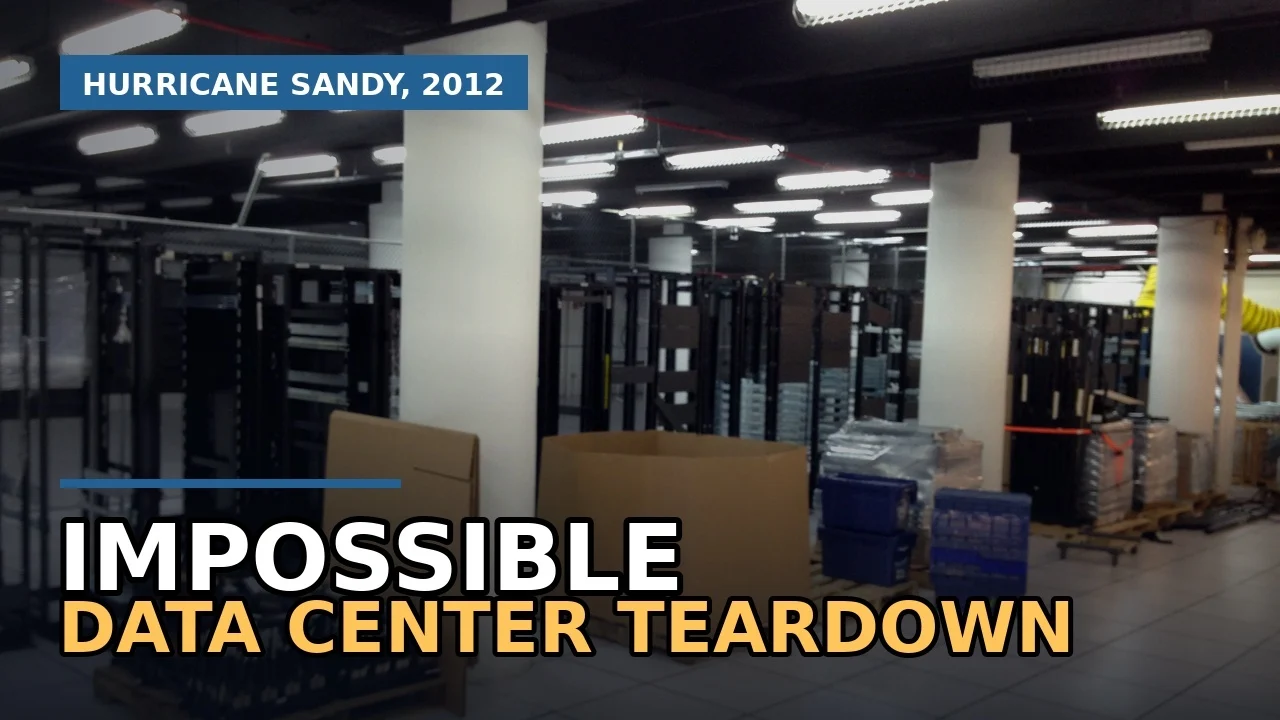
We’ve seen it all
We have seen projects where the hardware was routine, but the building had other ideas. Our VP, Mike Satter, shares one New York City decommission story that came with a few surprises and a reminder that experience matters when the original plan meets reality.